- Batch inquiry

Discover the Advantages of Compostable PLA Coating Soup Bowls for Sustainable Packaging
Dec 23,2024

Discover the Advantages of Compostable PLA Coating Soup Bowls for Sustainable Packaging
In the quest for more sustainable packaging solutions, compostable materials have emerged as a key player in the food service industry. One of the most innovative products in this category is the compostable PLA (Polylactic Acid) coating soup bowl. These eco-friendly bowls offer a myriad of benefits that not only cater to environmental concerns but also meet the practical needs of businesses and consumers alike. In this article, we delve into the numerous advantages of using compostable PLA coating soup bowls, providing insights into their composition, benefits, and applications in various settings.
Table of Contents
1. Introduction to Compostable PLA Coating Soup Bowls
2. What is PLA and How is it Made?
3. The Benefits of Compostable PLA Coating Soup Bowls
- 3.1 Positive Environmental Impact
- 3.2 Health and Safety Considerations
- 3.3 Durability and Performance Features
4. Applications of Compostable PLA Coating Soup Bowls
- 4.1 In the Food Service Industry
- 4.2 For Catering and Events
- 4.3 For Home Use
5. Comparing Compostable PLA Bowls with Traditional Materials
6. Recycling and Composting: The Right Way
7. Cost-Effectiveness of Compostable Bowls
8. Conclusion: The Future of Sustainable Dining
9. Frequently Asked Questions
Introduction to Compostable PLA Coating Soup Bowls
The surge in consumer demand for sustainable products has led businesses to explore innovative solutions that minimize environmental impact. Among these solutions, compostable PLA coating soup bowls stand out due to their combination of functionality and eco-friendliness. Made from renewable resources such as cornstarch, these bowls provide an alternative to traditional plastic and styrofoam containers, presenting a compelling case for their widespread adoption.
What is PLA and How is it Made?
PLA, or Polylactic Acid, is a bioplastic derived from renewable plant materials, primarily corn. The process of creating PLA begins with fermenting the sugars extracted from these plants, which are then polymerized to form lactic acid. This lactic acid is subsequently transformed into a biodegradable plastic that can be used to coat various forms of packaging, including soup bowls.
One of the key advantages of PLA is that it is not only biodegradable but also compostable under industrial conditions. This means that when disposed of properly, PLA can break down into natural components without leaving harmful residues, making it a sustainable option for food packaging.
The Benefits of Compostable PLA Coating Soup Bowls
As consumers and businesses alike seek more sustainable options, compostable PLA coating soup bowls offer a host of benefits that align with eco-conscious practices.
Positive Environmental Impact
One of the most significant advantages of using compostable PLA coating soup bowls is their positive impact on the environment. Unlike traditional plastic bowls that can take hundreds of years to decompose in landfills, PLA bowls break down within 90 to 180 days in a commercial composting facility. This rapid decomposition reduces the volume of waste sent to landfills and minimizes the release of harmful pollutants.
By switching to compostable options, businesses can significantly reduce their carbon footprint and contribute to a circular economy, where products are continuously reused and recycled.
Health and Safety Considerations
Compostable PLA coating soup bowls are not just environmentally friendly; they are also safe for food contact. PLA is free from harmful chemicals such as BPA (Bisphenol A) that are often found in traditional plastics. This makes PLA a safer choice for serving food, as it does not leach harmful substances into the food.
Additionally, these bowls are designed to withstand heat, making them ideal for serving hot soups and other heated dishes without the risk of melting or warping.
Durability and Performance Features
Many consumers may assume that compostable products are less durable than their plastic counterparts. However, this is not the case with PLA coating soup bowls. These bowls are engineered to withstand the rigors of food service, providing a sturdy and reliable option for both hot and cold food items.
PLA bowls boast excellent moisture resistance, ensuring that liquids do not seep through the packaging. This durability makes them suitable for various food items, from hearty soups to salads, without compromising their structural integrity.
Applications of Compostable PLA Coating Soup Bowls
The versatility of compostable PLA coating soup bowls allows for their application in various settings, making them a popular choice among businesses and consumers looking to reduce their environmental impact.
In the Food Service Industry
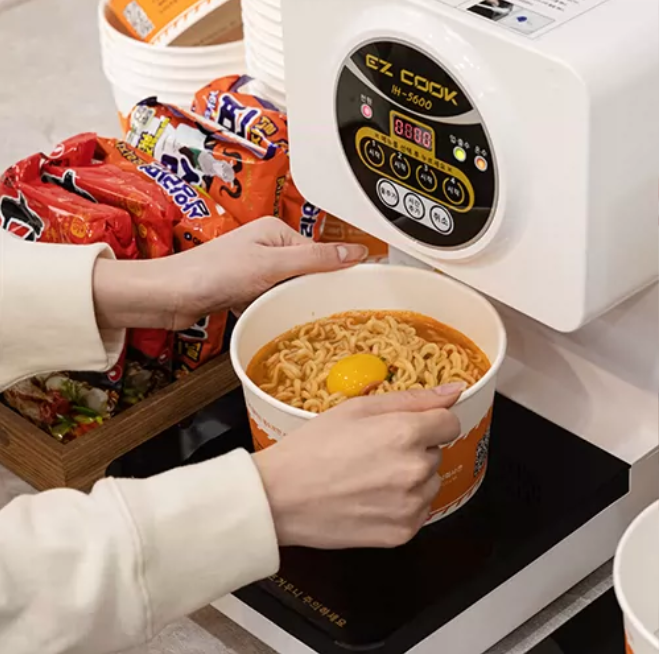
Restaurants, cafes, and catering services are increasingly adopting compostable PLA bowls as part of their commitment to sustainability. These bowls are ideal for takeout services, ensuring that customers can enjoy their meals without contributing to plastic waste. Furthermore, customers appreciate dining establishments that prioritize eco-friendly practices, enhancing the overall brand image.
For Catering and Events
Catering companies are also turning to compostable PLA bowls for events and gatherings. Whether it’s a wedding, corporate event, or outdoor picnic, these bowls offer a stylish and sustainable way to serve food. With customizable printing options available, businesses can promote their brand while making a positive environmental impact.
For Home Use
Eco-conscious consumers looking to reduce their environmental footprint can incorporate compostable PLA coating soup bowls into their home dining experiences. Whether hosting a dinner party or meal prepping, these bowls provide a convenient and responsible choice for serving food.
Comparing Compostable PLA Bowls with Traditional Materials
When evaluating the benefits of compostable PLA coating soup bowls, it's essential to compare them with traditional packaging materials such as plastic and Styrofoam.
1. **Environmental Impact**: Traditional plastic and Styrofoam products contribute significantly to environmental pollution, taking decades to decompose. In contrast, compostable PLA bowls break down within months and can be composted, reducing waste in landfills.
2. **Health Risks**: Many conventional plastics contain harmful chemicals like BPA, which can leach into food. PLA is made from natural materials and does not contain these harmful substances, making it a safer option for food service.
3. **Performance**: PLA bowls maintain their structural integrity under heat and moisture, rivaling the performance of traditional materials. They can safely hold hot soups and other dishes without compromising quality.
Recycling and Composting: The Right Way
To maximize the environmental benefits of compostable PLA coating soup bowls, it’s crucial to dispose of them correctly. While PLA is compostable, it requires specific conditions found in commercial composting facilities to break down effectively.
Many biodegradable materials do not decompose in home compost bins due to insufficient heat and moisture. Therefore, businesses and consumers should seek local composting programs that accept PLA products or designate appropriate waste streams for industrial composting.
Cost-Effectiveness of Compostable Bowls
One common misconception about compostable products is that they are significantly more expensive than traditional materials. While it’s true that the initial investment may be higher, the long-term benefits can outweigh the costs.
By adopting compostable PLA soup bowls, businesses may save on waste disposal costs associated with landfilling plastics. Additionally, the positive branding associated with sustainability can attract a broader customer base, potentially increasing revenue.
Conclusion: The Future of Sustainable Dining
As awareness of environmental issues continues to grow, the demand for sustainable packaging solutions will only increase. Compostable PLA coating soup bowls represent a significant step forward in addressing the challenges posed by traditional plastic waste. By choosing these eco-friendly bowls, businesses and consumers alike can contribute to a healthier planet while enjoying the numerous practical benefits they offer.
The shift toward compostable materials is not merely a trend; it is a movement towards a more sustainable future in dining and food service. Embracing compostable PLA bowls is a choice that supports environmental responsibility and reflects a commitment to innovation and sustainability.
Frequently Asked Questions
1. **What are compostable PLA coating soup bowls made of?**
Compostable PLA coating soup bowls are primarily made from Polylactic Acid (PLA), which is derived from renewable resources like corn starch.
2. **How long do compostable PLA bowls take to decompose?**
In a commercial composting environment, PLA bowls typically decompose within 90 to 180 days.
3. **Are PLA bowls safe for hot food?**
Yes, PLA bowls are designed to withstand heat and are suitable for serving hot soups and other heated dishes without melting or leaching chemicals.
4. **Can I compost PLA bowls at home?**
While PLA bowls are compostable, they require industrial composting conditions to break down effectively. It is best to check for local composting facilities that accept PLA products.
5. **Are compostable bowls more expensive than traditional plastic bowls?**
While the initial cost may be higher, the long-term savings on waste disposal and the positive brand image associated with sustainability can make compostable bowls a cost-effective choice.

Phone: 0086-17268379319
E-mail: john@dayupack.com
WhatsApp: 8617268379319
Factory: Building B, No. 3, Small and Medium Enterprise Entrepreneurship Base, Jinshang Town, Shishi City, Quanzhou City, Fujian Province, China
HUATAO GROUP


Leave Message